Download Hundreds of Free Astral Projection and Out of Travel Books, Films, Seminars, Course of Study, Music and Art. (Lost Souls, Reincarnation, Karma, Dreams, Rites of Passage, Heaven, Hell, Purgatory, Angels, Demons, Ascension.)
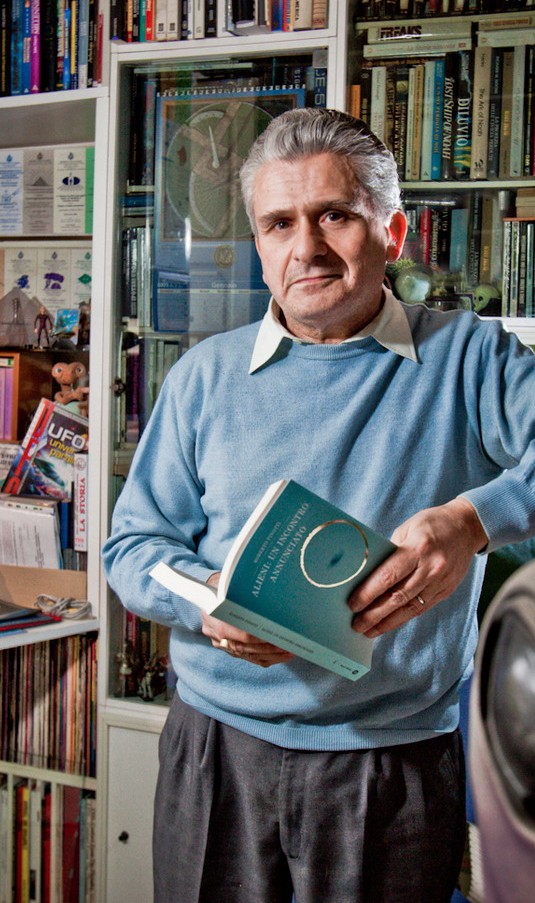
At the invitation of its founder, sociologist and aerospace journalist Roberto Pinotti, The Out-of-Body Travel Foundation has established an institutional alignment with the Global Disclosure Project. Marilynn Hughes has been appointed to the project’s international College of Legates to facilitate this long-term archival collaboration, which focuses on the systematic digitization, preservation, and database integration of global historical archives.
The overarching Global Disclosure Project initiative includes among its Board of Custodians prominent international figures, including former U.S. Deputy Assistant Secretary of Defense for Intelligence Christopher Mellon, Harvard astrophysicist Avi Loeb, author and researcher Whitley Strieber, and astrophysicist Eric W. Davis. Additionally, the project’s broader international registry encompasses an extensive network including Eamonn Ansbro of Ireland, Robert Fleischer of Germany, Donald Schmitt of the United States, Thiago Ticchetti of Brazil, and various other authoritative researchers representing regional ufological archives around the world.
Beginner wellness enthusiasts often start strong with self-care goal setting, then hit the familiar start-stop cycle that makes maintaining healthy habits feel impossible. The core tension is real: wellness consistency challenges collide with packed schedules, stress management difficulties, and the quiet friction of changing routines. When time is tight and stress is high, even simple intentions can start to look like broken promises. With a steadier, more realistic approach, consistency stops being a personality trait and becomes something that can be built.
Build a Self-Care Plan You Can Actually Repeat
This process helps you turn good intentions into a simple weekly plan you can keep coming back to. For busy, stressed-out humans, the win is consistency without perfection.
Choose goals that match your life right now Start by picking 1 to 3 goals across different areas like movement, sleep, nourishment, stress relief, or connection. Choose actions that feel supportive on your busiest week, not your most motivated day. This keeps your plan grounded and reduces the urge to quit when life gets loud.
Prioritize the few that matter most this month Ask yourself, “If I could only do one thing consistently, what would help the most?” Pick a primary goal and one small supporting goal, then pause there. Fewer priorities means less decision fatigue and more follow-through.
Make each goal realistic and measurable Turn your priorities into a clear target using the SMART framework (1) so you know exactly what “done” looks like. Keep the first version intentionally easy, because showing up builds momentum faster than going big. Your goal should fit your schedule and energy, not fight them.
Block time in your week like an appointment Choose specific days and times for your actions, and put them on your calendar with a start time and a short duration. Treat the block as protected time, but flexible, so if you miss it you reschedule instead of starting over. Plan for 2 to 4 repeatable slots you can maintain most weeks.
Review and adjust weekly, not daily Once a week, look at what worked, what got in the way, and what you can simplify. Remember that individual variability (2) is normal with habit-building, so your job is to keep refining the plan, not judging yourself. Make one small adjustment and run it again for the next week
Use “Consistency Skills” to Stick With Long-Term Career Goals Once you’ve mapped out a self-care plan you can repeat, it’s easier to see that consistency is a skill you can apply to your bigger life goals, too. Staying true to your career goals starts with getting clear on the long-range direction you want and then breaking it down into milestones you can realistically work toward, even when life shifts. If changing careers is part of your path, going back to school for an online degree can make it possible to learn while you work, and a structured option like an online CS major (3) can help you keep progressing. Earning a computer science degree can build your skills in IT, programming, and computer science theory.
Tiny Habits That Make Self-Care Automatic Consistency comes from making wellness easier to start than to skip. These habits reduce decision fatigue, build accountability, and help you stay consistent with your wellness and self- care goals even when motivation dips.
Two-Minute Start ● What it is: Begin with two minutes of any wellness action, then decide whether to continue. ● How often: Daily ● Why it helps: Starting lowers resistance, and small wins reinforce your identity as someone who follows through. Cue-Stacked Routine ● What it is: Attach one self-care step to an existing cue like coffee, brushing teeth, or logging off work. ● How often: Daily ● Why it helps: Cues make actions automatic, so your routine survives busy days. Simple Progress Check ● What it is: Track one metric in a note app, calendar, or paper grid. ● How often: Daily ● Why it helps: People who monitor their progress toward goals (4) are more likely to achieve them. Minimum Viable Plan ● What it is: Define your “low-energy version” of wellness, like a 5-minute walk or a quick stretch. ● How often: Per stressful day ● Why it helps: It keeps your streak alive when life gets messy. Weekly Reset Review ● What it is: Pick one weekly time to plan meals, movement, sleep, and support for the week. ● How often: Weekly ● Why it helps: Planning once reduces daily effort and prevents the all-or-nothing spiral. Wellness Consistency Questions, Answered
Q: What should I do if I fall off my routine for a few days? A: Treat it as a pause, not a failure, and restart with your smallest version today. Choose one action you can complete in under five minutes, then stop on purpose so it feels doable again. Your only goal is to reestablish trust with yourself. Q: What can I do when stress spikes and I lose all motivation? A: When your nervous system is overloaded, lower the bar and focus on regulation first. Because chronic stress (5) is ongoing over a long period, your best move is a quick reset you can repeat: slow breathing for one minute, a short walk, or a glass of water before deciding anything else. Q: How do I know my wellness plan is working if the scale or mirror is not changing? A: Measure what you can feel and repeat: sleep quality, energy dips, cravings, mood, or how often you bounce back after a hard day. Track one simple signal daily for two weeks so you can spot patterns. Progress often shows up as steadier days before visible changes. Q: Can I stay consistent if my schedule is unpredictable? A: Yes, but you need options instead of one perfect routine. Create a short menu with an “easy day,” “medium day,” and “full day” version of the same habit. Then choose based on your actual capacity, not your ideal plan.
Build Consistent Self-Care Habits That Sustain Your Wellness Motivation It’s easy to start strong with wellness, then lose momentum when stress spikes, time gets tight, or progress feels slow. The steady path is a positive mindset for health that favors small, repeatable choices, leaning on empowerment through consistency rather than chasing perfection. With that approach, sustained wellness motivation grows, and the long-term self- care benefits show up as steadier energy, clearer signals from your body, and more trust in your routines. Consistency turns self-care into an identity, not a to-do list.
A scholar studies an illuminated manuscript in a vast Gothic library glowing beneath cosmic stained-glass windows.
There is a story behind my series Ancient Sacred Texts and the Mystical Scriptorium that is difficult to explain within the ordinary categories of publishing. Some of these books are exactly what their titles suggest: ancient sacred texts and historical spiritual writings that have survived through the centuries and which I have compiled, edited, interpreted, or introduced for modern readers. But not all of them are ancient texts in the conventional sense. Some are texts I encountered during out-of-body experiences in what I have come to call the Mystical Scriptorium—a vast spiritual library or repository existing in the mystical spheres. In those experiences, I encountered books and teachings that, as far as I understand them, have not yet been written or published here in the physical world. I experienced them there, inhaled them there, and then exhaled them back into this world through the written word. That is the mystery at the heart of this series.
What Is the Mystical Scriptorium?
During my out-of-body travels, I have encountered many different spiritual environments: sacred places, teachers, monasteries, temples, beings of light, and realms that seem to possess their own particular qualities and purposes. Among these experiences was the encounter with what I call the Mystical Scriptorium. The word scriptorium traditionally refers to a place where manuscripts are copied and preserved. In the mystical sense, however, the Scriptorium became something much larger in my experience—a place of spiritual knowledge, sacred texts, wisdom, revelation, and writings that seemed to exist beyond the boundaries of ordinary physical history.
There were books there, not simply books in the way we understand them on Earth, but repositories of consciousness and knowledge. Sometimes, I was able to encounter their contents and bring something of what I had experienced back with me. This is where the unusual nature of some of these books begins. They are not presented as ordinary historical reconstructions. They come from a different kind of encounter with sacred knowledge. They represent my attempt to give physical form to something first encountered in a spiritual dimension.
Ancient Texts and Future Texts
There is an important distinction within this collection. Several of the books belong to the ancient textual traditions of our physical world. These include works such as The Western Book of the Dead: Or the Record of the Books of God, The Divine Pymander and the Emerald Tablets of Thoth Hermes Trismegistus, and The Shepherd of Hermas. The series also includes The Cherubinic Wanderer, by Angelus Silesius, and The Vow and Aspiration of Mahamudra, associated with Garmapa Dorje. These works belong to the enormous historical treasury of sacred literature that humanity has preserved, and my work with them involves bringing these traditions into a form that can be explored by contemporary readers.
But alongside them are books of a different character. The Sutra of the Ounce is one example, while Mercy: The Path to Becoming Holy, The Siddhartha Tragedies: A Visionary Scripture of the Near Awakened, and The Cult of Nefertiti belong to the body of works that emerged from my own mystical explorations and spiritual writing. These are not simply attempts to reproduce something already sitting in an ancient manuscript collection somewhere on Earth. They are part of an ongoing mystical transmission, representing knowledge that I believe I encountered in the mystical realms and subsequently brought into physical form through writing.
In that sense, some of these books might be understood as ancient in the mystical realms but new to the physical world. That distinction is important because it changes the way we might think about sacred literature itself. We tend to imagine an ancient sacred text as something that must have been written thousands of years ago on Earth, preserved in a manuscript, carved into stone, or passed down through generations. But mystical experience suggests another possibility: that sacred knowledge may exist beyond our ordinary understanding of historical time, and that what is ancient from one perspective may still be newly entering human consciousness from another.
The Scriptorium as a Bridge
I have often felt that one of the purposes of mystical experience is to create a bridge between worlds. We tend to think of revelation as something that happened only in the distant past. We read about prophets, apostles, saints, mystics, sages, and visionaries who received knowledge through dreams, visions, contemplation, prayer, or extraordinary states of consciousness. But what if the movement of sacred knowledge has never actually stopped? What if there are dimensions of spiritual reality in which knowledge continues to exist, develop, and be preserved? What if some books have existed there long before they ever appear here?
The Mystical Scriptorium, as I experienced it, suggested precisely this possibility. My role was not necessarily to create the knowledge; sometimes it felt more like receiving it. The experience was one of entering, encountering, absorbing, and then returning. I like to describe that process as inhaling and exhaling: I inhaled the book in the mystical spheres, carried something of it back with me, and then exhaled it into the physical world.
This way of understanding the work also changes the meaning of authorship. There are books in this collection that I have written in the conventional sense, and there are others where my role feels more like that of a receiver, interpreter, compiler, or transmitter. The physical book bears my name because I am the person who brought it into physical form, but the origin of the inspiration or material may belong to a much larger spiritual experience.
Not Every Book Has the Same Origin
The collection is intentionally broad because my work has never been confined to one category of spiritual literature. Some books are ancient texts. Some are mystical transmissions. Some are theological commentaries. Some explore religious history. Some examine the writings of particular spiritual traditions. And some emerge directly from my own mystical experiences and contemplative work.
For example, The Mystics of Christianity: Saints, Visionaries, and Forgotten Masters of Divine Encounter is a work of Christian mystical history and exploration, bringing together the lives and teachings of Christian mystics across the centuries. The Silent Desert of the Soul explores the Rule, Statutes, and Diurnal of the Carthusian Order through theological and contemplative commentary. The Buddha’s Three White Energies approaches Buddhist teachings through the Tripitaka, while The Cosmic Blueprint of Kriya Yoga examines Paramahamsa Yogananda’s early lessons. And then there is Pensatia: Present Balance – The Mystical Teachings of Helen Merrick Bond, which represents yet another dimension of the project: preserving and exploring a body of mystical teaching and spiritual thought.
These books may look different from one another, but spiritually they belong together. They are all concerned with the same fundamental question: What is humanity capable of knowing about the Divine? Some approach that question through history. Others approach it through sacred scripture. Others emerge from mystical experience, contemplative inquiry, or the transmission of teachings that seem to originate beyond the physical world. Together, they create a much broader picture of the human search for God, Truth, wisdom, holiness, and spiritual reality.
The Forgotten, the Ancient, and the Not-Yet-Written
Perhaps the best way to understand the series is to think of it as standing at the meeting point of three worlds. There is the ancient—the sacred literature humanity has already received and preserved. There is the mystical—the knowledge encountered through direct spiritual experience, contemplation, and out-of-body travel. And there is the not-yet-written—knowledge that may exist beyond our present historical moment but has not yet entered the physical literary record.
The Mystical Scriptorium, in my experience, seemed to exist outside our ordinary understanding of time. That makes the idea of an “ancient” book rather different. A book can be ancient in one realm and new in another. A teaching can be timeless even if it has not yet been written down. And a manuscript can exist as spiritual reality before it exists as ink upon paper. That is the extraordinary possibility behind this collection.
This also helps explain why the books do not all look or feel alike. The series is not attempting to force every work into one category or one historical framework. Instead, it follows the different streams through which sacred knowledge has reached humanity—or, in some cases, through which I believe I have encountered it.
Why Bring These Books Back?
The question naturally arises: why bring them back at all? For me, the answer is simple: because sacred knowledge is meant to be shared. Throughout history, people have gone into deserts, caves, monasteries, mountains, temples, forests, and places of solitude seeking something beyond the ordinary world. They have returned with prayers, scriptures, teachings, poetry, visions, and stories. The mystical tradition has always been concerned with transmission. One person encounters something, brings it back, writes it down, and someone else reads it, allowing the encounter to begin again.
Perhaps my work is simply another expression of that ancient process. The difference is that some of the places from which these encounters arise are not physical places, and some of the books encountered there do not appear to have corresponding physical manuscripts in our world. The act of writing then becomes a bridge between the experience and the reader—a way of giving language and form to something that was first encountered beyond ordinary physical consciousness.
A Mystical Library for the Present Age
The series Ancient Sacred Texts and the Mystical Scriptorium is therefore more than a collection of books about religion. It is a library of encounters containing ancient voices and modern interpretations, historical traditions and mystical experiences, established sacred writings and writings that, in my experience, seem to have come from beyond the physical boundaries of our present world.
The collection includes works ranging from The Western Book of the Dead and The Divine Pymander to The Mystics of Christianity, The Buddha’s Three White Energies, The Silent Desert of the Soul, The Cosmic Blueprint of Kriya Yoga, The Vow and Aspiration of Mahamudra, The Shepherd of Hermas, The Cherubinic Wanderer, The Sutra of the Ounce, Mercy, The Siddhartha Tragedies, The Cult of Nefertiti, Pensatia, and The Lost Books of the Essenes. Each book has its own story, and each comes from a different doorway, yet all of them ask the reader to consider the possibility that our understanding of sacred literature may be much larger than we have imagined.
The Scriptorium Remains Open
I do not think of the Mystical Scriptorium as merely a place I visited in the past. In some sense, I believe it remains open. Perhaps the great spiritual libraries of existence are not closed archives. Perhaps they are living repositories, continually revealing themselves to those who seek with sincerity, humility, and a willingness to listen.
The books that have emerged from this journey are my attempt to listen. Some came from ancient Earth. Some came through mystical study and contemplation. Some came through direct mystical experience. And some, I believe, came from books that already existed somewhere beyond this physical world, waiting for the moment when they could be brought across the threshold.
I did not set out to create a series quite like this. It evolved through the journey itself. One book led to another, one mystical encounter opened another door, and one ancient tradition illuminated another. Eventually, all of these books began to look like parts of the same library: the Ancient Sacred Texts and the Mystical Scriptorium.
A library of what humanity has remembered, what the mystics have encountered, and perhaps even what humanity has yet to remember.
The Scriptorium is open. The books are waiting. And the journey continues.
By Marilynn Hughes
A scholar studies an illuminated manuscript in a vast Gothic library glowing beneath cosmic stained-glass windows.
There is a story behind my series Ancient Sacred Texts and the Mystical Scriptorium that is difficult to explain within the ordinary categories of publishing. Some of these books are exactly what their titles suggest: ancient sacred texts and historical spiritual writings that have survived through the centuries and which I have compiled, edited, interpreted, or introduced for modern readers. But not all of them are ancient texts in the conventional sense. Some are texts I encountered during out-of-body experiences in what I have come to call the Mystical Scriptorium—a vast spiritual library or repository existing in the mystical spheres. In those experiences, I encountered books and teachings that, as far as I understand them, have not yet been written or published here in the physical world. I experienced them there, inhaled them there, and then exhaled them back into this world through the written word. That is the mystery at the heart of this series.
What Is the Mystical Scriptorium?
During my out-of-body travels, I have encountered many different spiritual environments: sacred places, teachers, monasteries, temples, beings of light, and realms that seem to possess their own particular qualities and purposes. Among these experiences was the encounter with what I call the Mystical Scriptorium. The word scriptorium traditionally refers to a place where manuscripts are copied and preserved. In the mystical sense, however, the Scriptorium became something much larger in my experience—a place of spiritual knowledge, sacred texts, wisdom, revelation, and writings that seemed to exist beyond the boundaries of ordinary physical history.
There were books there, not simply books in the way we understand them on Earth, but repositories of consciousness and knowledge. Sometimes, I was able to encounter their contents and bring something of what I had experienced back with me. This is where the unusual nature of some of these books begins. They are not presented as ordinary historical reconstructions. They come from a different kind of encounter with sacred knowledge. They represent my attempt to give physical form to something first encountered in a spiritual dimension.
Ancient Texts and Future Texts
There is an important distinction within this collection. Several of the books belong to the ancient textual traditions of our physical world. These include works such as The Western Book of the Dead: Or the Record of the Books of God, The Divine Pymander and the Emerald Tablets of Thoth Hermes Trismegistus, and The Shepherd of Hermas. The series also includes The Cherubinic Wanderer, by Angelus Silesius, and The Vow and Aspiration of Mahamudra, associated with Garmapa Dorje. These works belong to the enormous historical treasury of sacred literature that humanity has preserved, and my work with them involves bringing these traditions into a form that can be explored by contemporary readers.
But alongside them are books of a different character. The Sutra of the Ounce is one example, while Mercy: The Path to Becoming Holy, The Siddhartha Tragedies: A Visionary Scripture of the Near Awakened, and The Cult of Nefertiti belong to the body of works that emerged from my own mystical explorations and spiritual writing. These are not simply attempts to reproduce something already sitting in an ancient manuscript collection somewhere on Earth. They are part of an ongoing mystical transmission, representing knowledge that I believe I encountered in the mystical realms and subsequently brought into physical form through writing.
In that sense, some of these books might be understood as ancient in the mystical realms but new to the physical world. That distinction is important because it changes the way we might think about sacred literature itself. We tend to imagine an ancient sacred text as something that must have been written thousands of years ago on Earth, preserved in a manuscript, carved into stone, or passed down through generations. But mystical experience suggests another possibility: that sacred knowledge may exist beyond our ordinary understanding of historical time, and that what is ancient from one perspective may still be newly entering human consciousness from another.
The Scriptorium as a Bridge
I have often felt that one of the purposes of mystical experience is to create a bridge between worlds. We tend to think of revelation as something that happened only in the distant past. We read about prophets, apostles, saints, mystics, sages, and visionaries who received knowledge through dreams, visions, contemplation, prayer, or extraordinary states of consciousness. But what if the movement of sacred knowledge has never actually stopped? What if there are dimensions of spiritual reality in which knowledge continues to exist, develop, and be preserved? What if some books have existed there long before they ever appear here?
The Mystical Scriptorium, as I experienced it, suggested precisely this possibility. My role was not necessarily to create the knowledge; sometimes it felt more like receiving it. The experience was one of entering, encountering, absorbing, and then returning. I like to describe that process as inhaling and exhaling: I inhaled the book in the mystical spheres, carried something of it back with me, and then exhaled it into the physical world.
This way of understanding the work also changes the meaning of authorship. There are books in this collection that I have written in the conventional sense, and there are others where my role feels more like that of a receiver, interpreter, compiler, or transmitter. The physical book bears my name because I am the person who brought it into physical form, but the origin of the inspiration or material may belong to a much larger spiritual experience.
Not Every Book Has the Same Origin
The collection is intentionally broad because my work has never been confined to one category of spiritual literature. Some books are ancient texts. Some are mystical transmissions. Some are theological commentaries. Some explore religious history. Some examine the writings of particular spiritual traditions. And some emerge directly from my own mystical experiences and contemplative work.
For example, The Mystics of Christianity: Saints, Visionaries, and Forgotten Masters of Divine Encounter is a work of Christian mystical history and exploration, bringing together the lives and teachings of Christian mystics across the centuries. The Silent Desert of the Soul explores the Rule, Statutes, and Diurnal of the Carthusian Order through theological and contemplative commentary. The Buddha’s Three White Energies approaches Buddhist teachings through the Tripitaka, while The Cosmic Blueprint of Kriya Yoga examines Paramahamsa Yogananda’s early lessons. And then there is Pensatia: Present Balance – The Mystical Teachings of Helen Merrick Bond, which represents yet another dimension of the project: preserving and exploring a body of mystical teaching and spiritual thought.
These books may look different from one another, but spiritually they belong together. They are all concerned with the same fundamental question: What is humanity capable of knowing about the Divine? Some approach that question through history. Others approach it through sacred scripture. Others emerge from mystical experience, contemplative inquiry, or the transmission of teachings that seem to originate beyond the physical world. Together, they create a much broader picture of the human search for God, Truth, wisdom, holiness, and spiritual reality.
The Forgotten, the Ancient, and the Not-Yet-Written
Perhaps the best way to understand the series is to think of it as standing at the meeting point of three worlds. There is the ancient—the sacred literature humanity has already received and preserved. There is the mystical—the knowledge encountered through direct spiritual experience, contemplation, and out-of-body travel. And there is the not-yet-written—knowledge that may exist beyond our present historical moment but has not yet entered the physical literary record.
The Mystical Scriptorium, in my experience, seemed to exist outside our ordinary understanding of time. That makes the idea of an “ancient” book rather different. A book can be ancient in one realm and new in another. A teaching can be timeless even if it has not yet been written down. And a manuscript can exist as spiritual reality before it exists as ink upon paper. That is the extraordinary possibility behind this collection.
This also helps explain why the books do not all look or feel alike. The series is not attempting to force every work into one category or one historical framework. Instead, it follows the different streams through which sacred knowledge has reached humanity—or, in some cases, through which I believe I have encountered it.
Why Bring These Books Back?
The question naturally arises: why bring them back at all? For me, the answer is simple: because sacred knowledge is meant to be shared. Throughout history, people have gone into deserts, caves, monasteries, mountains, temples, forests, and places of solitude seeking something beyond the ordinary world. They have returned with prayers, scriptures, teachings, poetry, visions, and stories. The mystical tradition has always been concerned with transmission. One person encounters something, brings it back, writes it down, and someone else reads it, allowing the encounter to begin again.
Perhaps my work is simply another expression of that ancient process. The difference is that some of the places from which these encounters arise are not physical places, and some of the books encountered there do not appear to have corresponding physical manuscripts in our world. The act of writing then becomes a bridge between the experience and the reader—a way of giving language and form to something that was first encountered beyond ordinary physical consciousness.
A Mystical Library for the Present Age
The series Ancient Sacred Texts and the Mystical Scriptorium is therefore more than a collection of books about religion. It is a library of encounters containing ancient voices and modern interpretations, historical traditions and mystical experiences, established sacred writings and writings that, in my experience, seem to have come from beyond the physical boundaries of our present world.
The collection includes works ranging from The Western Book of the Dead and The Divine Pymander to The Mystics of Christianity, The Buddha’s Three White Energies, The Silent Desert of the Soul, The Cosmic Blueprint of Kriya Yoga, The Vow and Aspiration of Mahamudra, The Shepherd of Hermas, The Cherubinic Wanderer, The Sutra of the Ounce, Mercy, The Siddhartha Tragedies, The Cult of Nefertiti, Pensatia, and The Lost Books of the Essenes. Each book has its own story, and each comes from a different doorway, yet all of them ask the reader to consider the possibility that our understanding of sacred literature may be much larger than we have imagined.
The Scriptorium Remains Open
I do not think of the Mystical Scriptorium as merely a place I visited in the past. In some sense, I believe it remains open. Perhaps the great spiritual libraries of existence are not closed archives. Perhaps they are living repositories, continually revealing themselves to those who seek with sincerity, humility, and a willingness to listen.
The books that have emerged from this journey are my attempt to listen. Some came from ancient Earth. Some came through mystical study and contemplation. Some came through direct mystical experience. And some, I believe, came from books that already existed somewhere beyond this physical world, waiting for the moment when they could be brought across the threshold.
I did not set out to create a series quite like this. It evolved through the journey itself. One book led to another, one mystical encounter opened another door, and one ancient tradition illuminated another. Eventually, all of these books began to look like parts of the same library: the Ancient Sacred Texts and the Mystical Scriptorium.
A library of what humanity has remembered, what the mystics have encountered, and perhaps even what humanity has yet to remember.
The Scriptorium is open. The books are waiting. And the journey continues.
A luminous figure meditates above a magical pool beneath swirling galaxies and auroras.
Side hustle beginners, especially busy professionals and caregivers, often start early-stage entrepreneurship already running on thin margins of time, sleep, and patience. The core tension is simple: building a productive side business tends to demand more energy right when wellbeing challenges are already piling up. When balancing self-care gets treated as optional, progress can feel like a trade-off between momentum and mental health. A healthier approach treats wellbeing as part of the plan from day one, so the side hustle can grow without consuming everything else.
Why Self-Care Is a Hustle Strategy
Self-care is not a reward you earn after your side hustle “makes it.” It is the daily baseline that keeps your energy, focus, and mood steady enough to build with consistency. Work-life balance is less about pausing progress and more about designing your workload so your brain and body can keep showing up.
This matters because entrepreneurship adds emotional strain along with task lists, and 75% of entrepreneurs feel pressure from other people’s expectations. When rest, movement, and downtime are protected, you make clearer decisions and avoid the crash that wipes out weeks of momentum.
Think of it like charging your phone during the day, not only overnight. Ten minutes to decompress before client messages can prevent a spiral of stress and sloppy work. With your baseline protected, streamlining paperwork and decisions becomes the next lever for staying well.
Cut Stress by Streamlining Business Setup and Compliance
If self-care protects your energy, the next step is removing the stressors that quietly drain it, like administrative overload. An all-in-one business formation and management platform can take a big weight off in the early stages of a side hustle by handling your legal setup, compliance, and the ongoing paperwork that tends to pile up. Instead of spending evenings researching
requirements, tracking deadlines, and second-guessing forms, you’re effectively outsourcing the most time-consuming, decision-heavy tasks, freeing up mental space and energy for the work you actually enjoy (and the recovery you need). For example, using ZenBusiness can help keep those essentials organized so your operations stay efficient without taking over your life.
Habits That Protect Your Energy as You Build
Habits keep your side hustle from turning into a stress sprint. Pick a few that feel realistic, then repeat them long enough to stick since research on habit formation shows timelines vary widely.
Bookend Your Workday
● What it is: Start and stop side-hustle work at set times, then fully log off. ● How often: Daily ● Why it helps: Clear boundaries prevent work from spilling into recovery time. Two-Task Priority List ● What it is: Choose two must-do tasks before you open email or social apps. ● How often: Daily ● Why it helps: Focused wins reduce overwhelm and build momentum. 10-Minute Movement Reset ● What it is: Do a brisk walk, stretch, or light strength circuit. ● How often: 3 to 5 times weekly ● Why it helps: Movement lowers tension and improves mood for better decision-making. Balanced Meal Anchor ● What it is: Plan one protein-and-fiber meal you can repeat. ● How often: Weekly ● Why it helps: Better nutritional balance supports consistent energy when life gets busy. Sunday Systems Sweep ● What it is: Review calendar, deadlines, and finances, then set next week’s first step. ● How often: Weekly ● Why it helps: A quick reset prevents small tasks from turning into mental clutter.
Side Hustle Wellness Questions, Answered
Q: How late is “too late” to work on my side hustle? A: If side-hustle time regularly steals sleep, it is too late for your body to recover well. Set a hard stop at least 60 minutes before bed, then use that last hour for a wind-down routine. If nights are your only option, cap sessions at 30 to 60 minutes and keep them low-stress.
Q: What should I do when my motivation dips for a week? A: Treat it like a signal, not a character flaw: your plan may be too big for your current bandwidth. Shrink the goal to one tiny “keep the lights on” task per day, then rebuild from there. If your day job is draining, workplaces that support their mental health can make burnout less likely, so consider what support you can ask for.
Q: Can I make progress with only 20 to 30 minutes a day? A: Yes, if you choose one outcome and protect that time from distractions. Batch similar tasks and stop mid-sentence so tomorrow’s start feels easier. Consistency beats occasional marathon sessions.
Q: How do I handle missed workouts without quitting the hustle or the routine? A: Skip the all-or-nothing thinking and switch to a “minimum effective” option like 5 minutes of mobility or a brisk walk. Put the next workout on the calendar immediately, even if it is short. One missed session is normal; the comeback plan is what matters.
Q: Should I work on weekends if weekdays are packed? A: Weekend work can be sustainable when it is contained. Pick a single time block, decide your one deliverable, and end on schedule so you still get real recovery. If weekends become your only rest time, trade output for planning and light admin.
Build a Side Hustle That Supports Your Health Long-Term
Growing a side hustle often pulls against sleep, movement, and the basic recovery your body needs to stay steady. The way through is a side hustle growth mindset that treats reflective wellness practices and simple motivational techniques as part of the plan, not a reward for “when things calm down.” When the work fits your capacity, energy gets more consistent, decisions get clearer, and long-term business health becomes something you can actually sustain. Your side hustle should grow because you’re well, not at the cost of it.
In an increasingly complicated world, resilience is your ability to adapt and keep functioning when life gets messy—job shifts, family stress, health surprises, big changes you didn’t vote for. It isn’t a personality trait you either have or don’t; it’s a set of skills you can strengthen over time.
At a glance
Treat change like weather: it happens—prepare, don’t panic.
Replace “certainty” with curiosity and options.
Build daily practices (mindfulness, emotional agility, learning) that don’t depend on a perfect week.
Keep your relationships sturdy; resilience is rarely a solo sport.
Quick Swaps for a More Resilient Mindset
When uncertainty hits, your default reaction matters. Here are five mental pivots that help you stay grounded and adaptive:
When you don’t know what happens next: Instead of spiraling into worst-case scenarios, ask yourself, “What are three plausible outcomes?”
When change feels sudden or overwhelming: Rather than grabbing for control, focus on what you can influence today.
When bad news lands: Skip avoidance and take one small, constructive step forward.
When stress lingers: Notice if you’re numbing out, and try something that helps you recover—sleep, movement, or connection.
Lifelong learning as resilience training (yes, really)
One of the most reliable ways to future-proof your mind is to keep it learning—because learning builds confidence, expands your options, and makes change feel less like a cliff and more like a doorway. For many people, flexible online degree or certification programs can fit around work and family while still building real skills. If healthcare leadership interests you, exploring amasters of healthcare administration can be a practical way to stay adaptable in a shifting world, while strengthening resilience through curiosity, competence, and a growth mindset. Lifelong learning keeps your mind agile—ready to pivot when opportunities (or disruptions) arrive.
Openness to change without turning into a doormat
Openness doesn’t mean saying yes to everything. It means staying teachable. The practical version looks like this:
You update your opinions when new information arrives.
You try a new approach before insisting the old way is the only way.
You can grieve a loss and still take action.
A simple question to practice: “What’s this situation asking me to learn?” Not because adversity is fun, but because learning reduces fear’s grip.
A small practice with a big payoff
Mindfulness is often defined as paying attention on purpose, in the present moment, without judgment. That sounds gentle—almost too gentle—until you realize how often stress yanks you into replaying the past or rehearsing the worst-case future. Try this when you feel your mind sprinting:
Name five things you can see.
Notice three body sensations (tight jaw, warm hands, quick breath).
Ask: “What’s the next kind action I can take?”
It’s not a magic trick. It’s a reset. And resets are how you keep going.
Curiosity over fear
Problem: Uncertainty triggers fear, and fear narrows your choices. Solution: Build a repeatable “curiosity protocol.” Result: You respond with options, not reflex.
Use this when you feel spiraling:
Label the fear in one sentence (“I’m scared I’ll fail / be judged / lose stability.”)
Define the uncertainty (what you don’t know yet).
List 2–3 controllables (calls you can make, tasks you can finish, boundaries you can set).
Create a tiny experiment (a low-risk action that gives information).
Schedule a worry window (10 minutes later—then return to the present task).
Close with realism + hope: “This is hard, and I can take one step.”
FAQ
Can you be resilient and still feel overwhelmed?
Yes. Resilience isn’t “never struggling.” It’s adapting and recovering—often while emotions are still loud.
How do I balance optimism with realism?
Optimism says, “Something good is possible.” Realism says, “Here are the constraints.” Together they create smart hope: you plan for the hard parts while still moving forward.
What’s one daily practice that helps the most?
A short mindfulness reset plus one concrete next step. Presence reduces panic; action restores agency.
A solid place to go deeper (without doom-scrolling)
If you want a grounded, trustworthy overview of resilience—what it is, how it works, and practical ways to strengthen it—the American Psychological Association’s resilience guide is a strong resource. It frames resilience as a process that can be developed over time, which is helpful if you’ve ever assumed you’re “just not built that way.” Use it like a workshop: pick one strategy (social support, reframing, self-care), then try it for a week and write down what changes. If you’re supporting someone else—a friend, partner, coworker—it’s also a good shared reference for having a calm, practical conversation about coping.
Conclusion
Future-proofing your mind isn’t about predicting the future; it’s about building the inner tools to meet it. Practice curiosity when uncertainty spikes, use mindfulness to return to the present, and make room for emotions without letting them drive the car. Keep learning, keep connecting, and keep choosing realistic hope. That’s resilience—built on purpose, one repeatable step at a time.
Modern life pulls at our attention in every direction. Between work demands, constant notifications, and the invisible pressure to keep up, our emotional bandwidth can thin faster than we realize. The truth? Mental wellness doesn’t always hinge on big, life-changing habits. Instead, it’s the micro-practices woven into ordinary days that quietly protect our balance and resilience.
What You’ll Take Away
Mental steadiness often depends on simple, repeatable micro-rituals, not grand overhauls.
Small acts of creativity and gratitude reinforce emotional regulation.
Restoring focus requires periodic “mental decluttering,” not endless productivity hacks.
Even three minutes of intentional stillness can reset your nervous system.
Designing your environment for calm amplifies every other wellness effort.
Micro-Rituals That Anchor the Mind
Mental equilibrium often erodes not from trauma but from cumulative micro-stress. To reverse that slow leak, start with micro-rituals—brief, structured pauses that re-center attention before the day accelerates.
Here are several worth testing in real time:
The 90-second breath reset. Inhale for four counts, hold for two, exhale for six. Two cycles slow your heart rate and rebalance oxygen-CO₂ ratios.
The “single-task minute.” Choose one task (pour coffee, fold laundry, check an email) and perform it with full sensory awareness.
The micro-stretch trigger. Link one physical cue (e.g., opening your laptop) to a 30-second neck and shoulder release.
Each habit signals your nervous system to exit autopilot and re-enter presence—the biological opposite of anxiety.
Designing Calm Through Creative Gratitude
One overlooked path to mental steadiness is blending gratitude with creative expression. Combining the two activates both hemispheres of the brain: appreciation (emotional regulation) and creation (cognitive flexibility).
A simple entry point? Spend 10 quiet minutes designing a handwritten or digital card for someone who made your week lighter. The act of crafting color, layout, and message recruits focus and emotion simultaneously—an elegant antidote to mental scatter.
You can easily print free cards using an online tool that offers intuitive editing and high-quality templates. Personalizing even one note each week cultivates mindfulness while strengthening social connection.
The “Declutter Loop”: How to Clear Mental Noise
Excess mental load is often self-inflicted. We accumulate unclosed loops: tasks half-done, messages unread, decisions deferred. Each one taxes working memory, subtly amplifying fatigue. Use this checklist once weekly to discharge that cognitive clutter.
Mental Declutter Checklist
Empty every browser tab that hasn’t been used in 48 hours.
Move any “maybe later” task to a separate Someday list.
Delete digital notes that duplicate others.
Spend five minutes writing unresolved thoughts by hand, then close the notebook.
End with a minute of slow breathing before reopening your inbox.
Environmental Simplicity: A Table of Triggers
Tiny environmental tweaks can reinforce or derail emotional stability.
Here’s a quick-reference map connecting physical surroundings with predictable psychological effects.
Use low-volume ambient sound or silence for 15 minutes
Adjusting these levers costs nothing yet consistently improves mood and focus scores in occupational-health studies.
Everyday Practices That Build Emotional Strength
The following habits create measurable improvements in mood regulation and cognitive stamina when repeated daily.
Micro-journaling: Three lines about what went well today—no adjectives required.
Nature fragments: Even a two-minute outdoor pause or window view of greenery can lower blood pressure.
Social maintenance: Send one encouraging message daily. Reciprocity fuels oxytocin and belonging.
Nutrition awareness: Stable blood sugar equals stable mood; eat protein within an hour of waking.
Movement snippets: Five minutes of walking or stretching every hour maintains mental elasticity.
Small consistency beats large intensity.
The Ground-Truth FAQ: Navigating Modern Calm
Before closing, here are practical answers to the most common “but what about…” questions people raise when trying to sustain mental wellness.
1. What if I don’t have time for meditation?
You don’t need a 20-minute cushion session. Use transitional pauses—waiting for a file to load, the kettle to boil—as miniature meditations. These micro-moments cumulatively retrain attention toward stillness.
2. Can digital tools really support mindfulness?
Yes—if used intentionally. Apps that prompt breathing or journaling act as external conscience systems. The risk lies in over-tracking; use them as starters, not crutches.
3. How do I stay consistent without guilt?
Track streaks in weeks, not days. Seven-day perfection isn’t the goal; returning after breaks is. Mental resilience is built on repair, not rigidity.
4. What if creative rituals feel frivolous?
They aren’t. Neuropsychology shows that creative play restores the prefrontal cortex’s flexibility—the same region used for problem-solving under stress. Your sketch or card is, neurologically speaking, a maintenance routine.
5. Is solitude healthy or isolating?
Both, depending on dosage. Aim for intentional solitude—time chosen, not imposed. Pair it with connection later in the day to maintain emotional balance.
6. How do I measure if this is working?
Look for lag indicators: calmer mornings, fewer reactionary texts, easier sleep onset. The absence of friction is the metric.
Closing Reflection
Emotional steadiness doesn’t come from escaping modern complexity—it comes from punctuating it. When breath, gratitude, and design re-enter ordinary moments, the mind stops bracing for life and begins partnering with it. These small shifts—less than ten minutes apiece—rebuild focus, deepen calm, and restore the quiet confidence that well-being was never elsewhere; it simply needed room to breathe.
Many ask, “If Jesus Christ rose from the dead, where is He now? Why has no one seen Him for over two thousand years?” The answer lies not in disbelief, but in understanding the nature of Christ, God incarnate, and the ongoing testimony of His presence in the world.
Jesus is unique among all religious leaders. He is both fully divine and fully human—“begotten, not made”—as the Creed of Nicaea affirms. He is eternal, perfect, yet also walked this earth in flesh, experiencing growth, emotion, and death. Over three hundred Old Testament prophecies were fulfilled in Him alone—a reality so extraordinary it points unmistakably to the divine.
After His resurrection, Christ appeared repeatedly to His disciples and to hundreds of witnesses, before ascending to Heaven. Their unwavering testimony, even under threat of torture, attests to the reality of the Resurrection. And since His Ascension, Christ continues to manifest in countless ways, in visions and apparitions, guiding, consoling, and inspiring humanity.
Christ’s resurrected form is different from the one who walked Galilee. He now exists fully in divine glory, incomprehensible yet intimately present to those He loves. His appearances are not bound by time, space, or human expectation—they occur wherever, whenever, and however He wills.
The Catholic Church has recognized numerous verified apparitions throughout history:
36 AD: Saint Stephen sees Christ standing at God’s right hand before his martyrdom.
31–36 AD: Saul, later Saint Paul, encounters Christ on the road to Damascus, transforming from persecutor to apostle.
1205: Saint Francis of Assisi receives a vision calling him to repair the Church, leading to the formation of the Franciscan order.
1246: Saint Lutgarde experiences a mystical exchange of hearts with Christ, fostering devotion to His Sacred Heart.
1302–1366: Saints Gertrude the Great, Catherine of Siena, and others report transformative visions of Christ, shaping their lives and ministries.
1673–1675: Saint Marguerite Marie Alacoque receives revelations of the Sacred Heart, inspiring a devotion celebrated to this day.
19th–20th centuries: Figures such as Saint Pio of Pietrelcina, Sister Josefa Menendez, Saint Faustina Kowalska, and Sister Maria Pierina De Micheli experience intimate encounters with Christ, often accompanied by the miraculous, the stigmata, or divine instruction.
Even in modern times, Jesus continues to appear to the faithful. Ordinary believers, such as those in Rwanda during the 1980s or individuals recounting personal encounters, bear witness to His ongoing presence, guidance, and protection.
The lesson is clear: Jesus Christ is alive. His appearances may be subtle or overwhelming, private or public, but they are real. He speaks to those who seek Him, consoles the suffering, and prepares humanity for His eventual return.
Christ’s presence is not limited to the pages of Scripture or the distant past—it is here, now, in our hearts and in the world. To see Him, one must seek with openness, faith, and love, trusting that He will reveal Himself in the way and time He chooses.
The return of the multigenerational household isn’t a passing trend—it’s a reflection of how families are adapting to modern realities. Rising housing costs, shifting cultural values, and aging family members have brought grandparents, parents, and children under one roof again. And while there’s something timeless about multiple generations living together, the daily logistics of it can get messy fast. Creating a harmonious home takes more than goodwill—it takes foresight, flexibility, and a bit of strategy.
Design for Dignity, Not Just Space
When three generations live together, physical space becomes emotional space. The way a home is arranged can either foster independence or breed resentment. Giving grandparents a semi-private space—ideally with their own bathroom and sitting area— allows them to feel like participants, not burdens. This isn’t just about comfort; it’s about preserving the dignity of older family members who have spent a lifetime being independent.
Make Room for Parenting Styles Without Collisions
Parents and grandparents don’t always see eye to eye when it comes to raising kids, and that’s normal. But if discipline turns into a tug-of-war, children get caught in the middle. Establishing clear boundaries and agreeing on non-negotiables—like screen time rules or bedtime routines—helps keep everyone’s authority intact. The key isn’t perfect alignment, but mutual respect and a shared commitment to consistency.
Safeguard the Budget Without Guesswork
Unexpected appliance failures and system breakdowns can throw any multigenerational household into disarray—not just logistically, but financially. One way to steady the ship is by investing in home warranty coverage for appliances, which can cushion the blow when major systems falter. It’s worth seeking out plans that not only handle repairs but also include removal of failed equipment and cover issues caused by poor installations or past repair mistakes. In a full house, protection like this isn’t overkill—it’s peace of mind.
Celebrate Autonomy, Especially for Teenagers
In a multigenerational setup, teenagers often end up feeling like they’re constantly being watched—by parents and grandparents alike. Giving them a zone of their own, both physically and emotionally, goes a long way. Let them choose how their room looks, allow for downtime without interruptions, and carve out moments where they can just be. Independence isn’t rebellion—it’s a basic human need that deserves space.
Hold a Family Meeting, But Skip the Formalities
Nothing kills momentum faster than a rigid, overly scheduled “family meeting.” But regular, low-stakes check-ins—maybe around dinner or during a shared walk—keep communication flowing. These moments allow frustrations to surface before they become grievances, and help everyone feel seen and heard. The goal isn’t to solve every issue, but to make it safe to talk about them.
Create Rituals That Don’t Feel Like Chores
Shared meals are the obvious choice, but rituals can go well beyond the dinner table. Weekly movie nights, gardening on Sunday mornings, or even a rotating “story hour” led by a different family member each week builds cohesion. Rituals work best when they feel voluntary, not obligatory. It’s about creating moments where generations connect as equals, not just out of duty.
Respect the Noise, But Respect the Silence Too
A home filled with multiple generations is rarely silent—but noise levels shouldn’t become a source of tension. Recognizing when someone needs a little calm—whether it’s a grandparent napping or a parent decompressing after work—is just as important as accepting that a toddler might yell their way through an entire morning. A respectful household learns to read the room and shift energy accordingly. Volume management isn’t about rules; it’s about reading each other well.
A home shared by three generations will never be frictionless. But it can be warm, supportive, and full of the kind of layered joy that only comes when different ages share the same dinner table and storylines. The art of living well together lies not in erasing differences, but in learning how to hold them gently. It’s about creating rhythms, not rules. And in that rhythm, a house becomes more than a place to sleep—it becomes a living, breathing map of how a family makes room for each other.
Embark on a transformative journey with the Out-of-Body Travel Foundation and explore a vast collection of free books, films, and resources to unlock the mysteries of astral travel and spiritual awakening.
Recovery isn’t a finish line — it’s the messy, nonlinear work of rebuilding your life while carrying everything that tried to undo it. You don’t need grand visions or five-year plans; you need structure, direction, and moments of proof that life is moving again. That means rooting progress in routines, anchoring identity in purpose, and giving your nervous system safe places to land. You’ll learn quickly that fulfillment during recovery doesn’t arrive all at once — it shows up in fragments you assemble by hand. Every small improvement is a signal to your brain that change is real, and that you’re not stuck. This article walks you through strategies that hold up when life doesn’t.
Start by Building Repeatable Patterns
The first step is not to plan your dream life, but to build a life you can repeat — especially on hard days. One overlooked strategy is to integrate recovery principles into routines that already exist: brushing teeth, meal prep, or even short commutes. Instead of trying to add new habits from scratch, embed mindset work into what’s already happening. That might mean attaching a calming breath practice to making coffee, or reviewing goals while folding laundry. The goal is to lower friction — not every practice needs to be spiritual or profound. By making your habits portable and automatic, you create a baseline structure that keeps you from unraveling when pressure hits. Structure, in this way, becomes your fallback system — not a demand for perfection but a framework for continuity.
Shift from Surviving to Adapting
Recovery sharpens a person’s relationship with stress. Once the survival phase ends, what you need is adaptability — the ability to adjust without losing your footing. There’s useful insight in how to build resilience in recovery by learning to separate discomfort from danger. That distinction gives you space to stay in challenging moments without fleeing them. Not every bad day is a warning sign. Training your nervous system to tolerate tension, instead of avoiding it, lets you face triggers without collapsing. Recovery isn’t about feeling good all the time — it’s about becoming capable inside difficulty. Resilience is not a character trait; it’s a skill that deepens with reps. And each time you recover from a setback without starting over, you prove that skill to yourself.
Anchor Yourself to Something That Outlives the Struggle
When you’ve lived in chaos long enough, stability alone can feel foreign. That’s where purpose becomes a functional tool, not just a lofty concept. Rebuilding means identifying something that makes your pain useful — not justified, but directional. People often find grounding when they build a sense of purpose after addiction that isn’t tied to productivity or external validation. Maybe that’s mentoring others, reconnecting with neglected talents, or simply being the kind of person your younger self needed. The point isn’t what you choose — it’s that you choose. Purpose gives shape to energy you used to waste on self- doubt. You don’t have to save the world; you just need something worth waking up for.
Reclaim Confidence Through Micro-Wins
Progress isn’t a feeling — it’s a pattern. Many people misunderstand motivation as the fuel to act, when it’s often the result of action. Start where belief is weak, and work small. The science of self-efficacy and recovery journey shows how critical it is to accumulate experiences of competence. That could mean showing up on time five days in a row or cooking instead of ordering out. These aren’t minor victories — they’re trust-building reps. Every time you follow through on something, you change the narrative from “I can’t” to “I did.” And those moments, repeated often enough, create a self that feels earned. You stop chasing confidence and start building it.
Bring in Support That’s Built on Evidence
It’s not enough to feel better — you need to understand why you’re improving. Many recovery paths overlook the value of structure in favor of feel-good platitudes. But grounding your efforts in evidence-based approaches in recovery gives you durable tools that scale with your progress. Therapies like CBT, DBT, and trauma-informed care aren’t just buzzwords; they’re frameworks that help you troubleshoot emotional overwhelm, manage cravings, and reconnect with your values. They make your recovery intelligible — something you can track, tweak, and talk about with language. When life gets unpredictable, frameworks beat vibes every time. You deserve tools that work on your worst days, not just your good ones.
Give Yourself New Sources of Power
Recovery isn’t just about healing — it’s about repositioning yourself inside systems that once excluded you. That often means reclaiming access to skills, education, and professional direction. Pursuing a degree can offer structure, confidence, and upward mobility, especially for those reentering the workforce or redefining purpose. Options like an MBA program help you take your career to the next level without abandoning your current commitments. Education isn’t a detour from healing — it can be a method of it. Learning something new reminds you that you’re not frozen in your past self. You’re still being built.
Plot a Way Forward That You Can See
Big life shifts don’t happen from hope alone — they need a visible path. Mapping out a recovery-forward lifestyle means combining internal change with real-world planning. Consider using insights from behavioral psychology to build your own resilience plan with strategies that link meaning to motion. That might look like a weekly ritual check-in, clear decision rules during stress, or environmental changes that support good choices. Think of your life as a set of systems, not just intentions. You’re designing a future that doesn’t depend on willpower — it runs on alignment. And each well-planned piece makes you harder to knock down.
Recovery is a commitment to live with what’s happened — not erase it. Fulfillment doesn’t mean becoming someone else; it means reclaiming who you already are when not buried under crisis. With the right scaffolding — habits, resilience skills, purpose anchors, self- trust, structured support, and forward-looking tools — you build a life that doesn’t collapse under pressure. No single moment completes the work, and that’s a gift. You get to keep refining. You get to keep choosing. In recovery, wholeness isn’t a destination — it’s a direction you walk every day.
Stress doesn’t wait for big problems. It builds in emails, errands, and crowded calendars. Most people aren’t overwhelmed all at once — they’re worn down slowly. And that’s what makes stress dangerous: it hides in routine. But the flip side is this — daily patterns are also where relief begins. These aren’t hacks. They’re real strategies that work in real life, no matter how noisy yours gets.
Breathe Like You Mean It
Your breath is not a metaphor. It’s a switch. One you can flip — anytime — to shift your body out of panic mode. But most people breathe like they’re being chased, even when they’re checking email. Slow, patterned breathing sends a neurological cue to the body: you’re not in danger. Researchers have detailed breathing techniques that calm stress, showing measurable reductions in heart rate and cortisol within minutes. The key is consistency over drama. No need for incense or mountain views — just a pause, five deep cycles, and a few square breaths when your day tries to run ahead of you.
Move, But Not to Escape
You don’t need a gym. You need motion. That body of yours — the one stiff from desks and doomscrolling — is wired to move stress out, not just store it. It’s not about “getting fit,” it’s about metabolizing your overwhelm. Even short bursts of movement are linked to how exercise improves mental health. Not because they “burn stress off,” but because they reset your chemistry and reroute attention. The hardest part is starting when you’re already fried. So shrink the task. One stretch. One walk. One dance-in-place moment while your coffee brews. Momentum shows up when you do.
Purpose Is a Stress Buffer
There’s a kind of stress that depletes, and a kind that builds. The difference? Whether it’s tethered to purpose. That’s why some of the most grounded people are under massive pressure — but they’re clear on why. Pursuing work that connects to care, service, or community isn’t just noble — it’s neuroprotective. If you’re considering a meaningful shift, especially toward care-based roles, check this out. Flexible paths into long-term service roles can reframe pressure as investment, not depletion. Meaning won’t erase stress — but it can transform it.
Find People Who Don’t Want to Fix You
Stress is isolating. It makes you withdraw, then punishes you for feeling alone. Break the loop. Call the friend who doesn’t care if your place is messy. Send the text that doesn’t need a reply. The real relief comes not from being understood, but from being undemanded. Social relationships are not just emotional buffers — they’re biological ones. There’s strong evidence behind the importance of social connection for stress relief. Oxytocin rises. Cortisol drops. Even a short check-in can reset your nervous system in ways no app ever could.
Nature Isn’t a Luxury. It’s Maintenance.
Screens flood the system. Nature drains it. Stepping outside — not for a run, not for Instagram, but just to be — is one of the cheapest, fastest interventions you have. And yet it’s often skipped because it “doesn’t seem like enough.” But it is. Even afternoon walk benefits for reducing anxiety are well documented, especially when the route involves trees, sky, or anything that isn’t fluorescent-lit. You don’t need a hiking trail. A neighborhood block works fine. The point isn’t cardio. It’s contrast.
Simple Rituals Beat Big Fixes
A perfect morning routine means nothing if you only manage it once a month. What matters is repeatable friction-reduction. Tiny anchors. A stretch after brushing your teeth. A cup of something warm before opening Slack. A 3-minute declutter before bed. These aren’t tasks — they’re anchors that tell your brain, “we’ve been here before; it’s safe.” There’s real utility in simple daily mindfulness activities to reduce stress because they don’t require a new identity — just a little rhythm and return. And that return builds trust with your own system.
You Can’t Hustle Your Way Into Sleep
Stress starts in the day, but it settles at night. If your brain treats sleep like a suggestion, not a boundary, it’s going to wreck your foundation. Deep rest is where hormone regulation, memory sorting, and emotional integration happen. And it’s not just about staying in bed — it’s about quality. Physical activity, even modest, directly contributes to physical activity lowers stress hormones while improving sleep. But so do simple routines: cutting screens, consistent sleep-wake times, low lighting. You’re not being lazy by protecting your rest. You’re building resilience.
Stress isn’t just emotional — it’s architectural. So build back. Use breathing patterns that anchor you, movement that resets you, and routines that help you start again when things unravel. Purpose gives pressure shape. Sleep gives your brain room to restore. And every time you treat stress like something worth responding to — not ignoring — you get better at living inside the pressure, not just pushing through it.
Embark on a transformative journey with The Out-of-Body Travel Foundation and explore the mysteries of the universe from the comfort of your own home!